
The Rector of Ualikhanov University, Marat Syrlybayev, together with the Head of the International Relations Office, Yerkesh Rakhymzhanov...
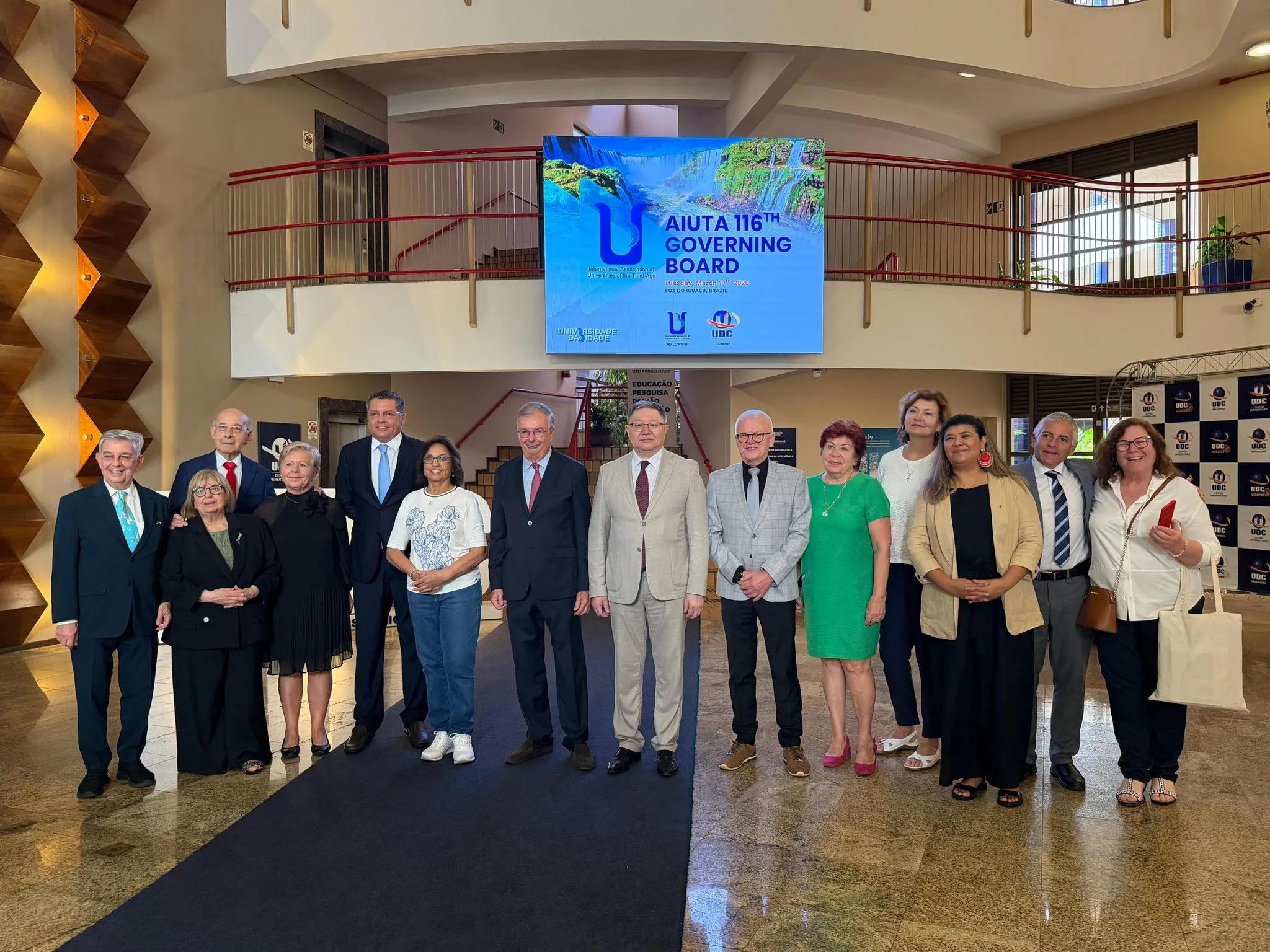
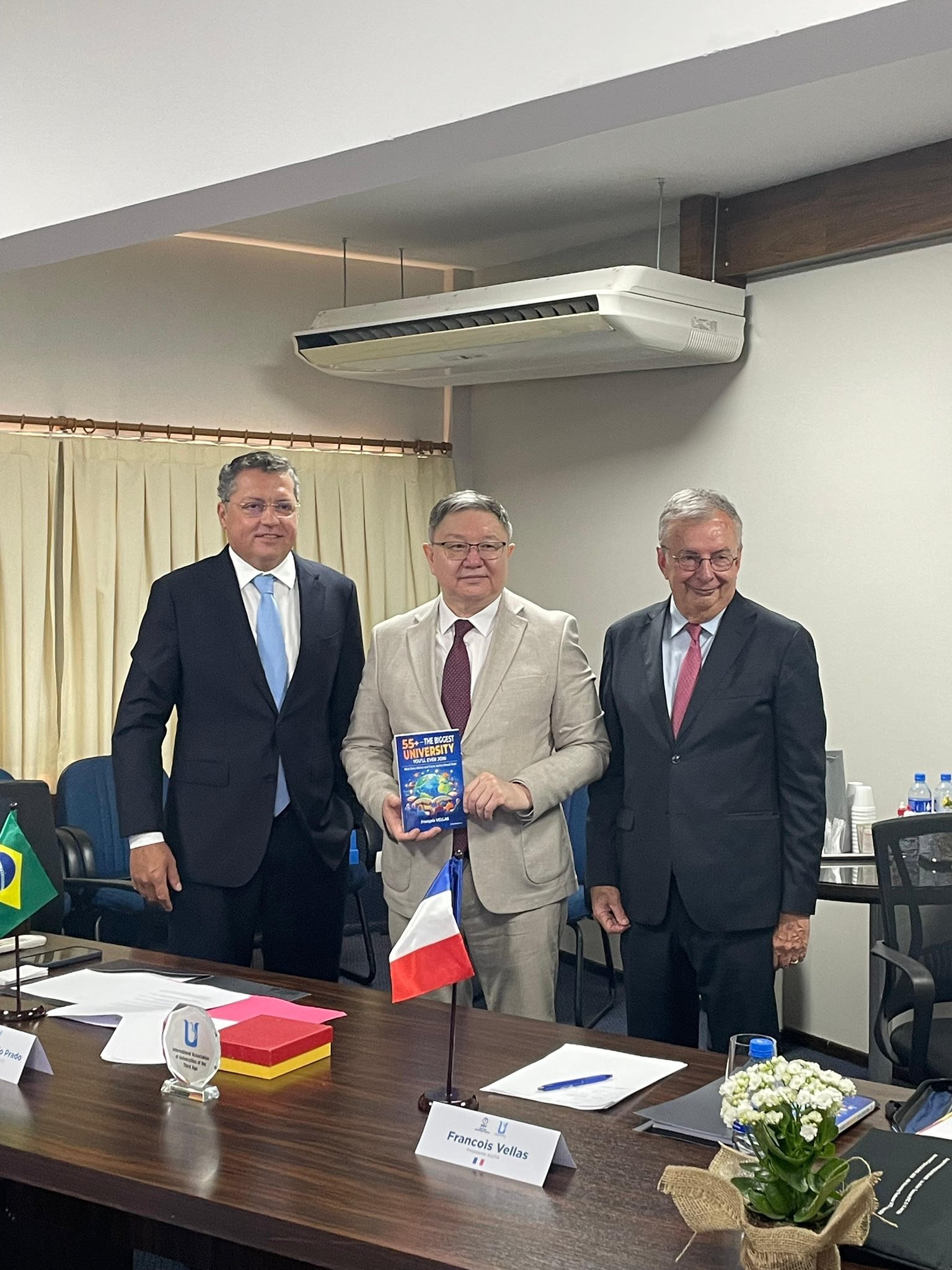
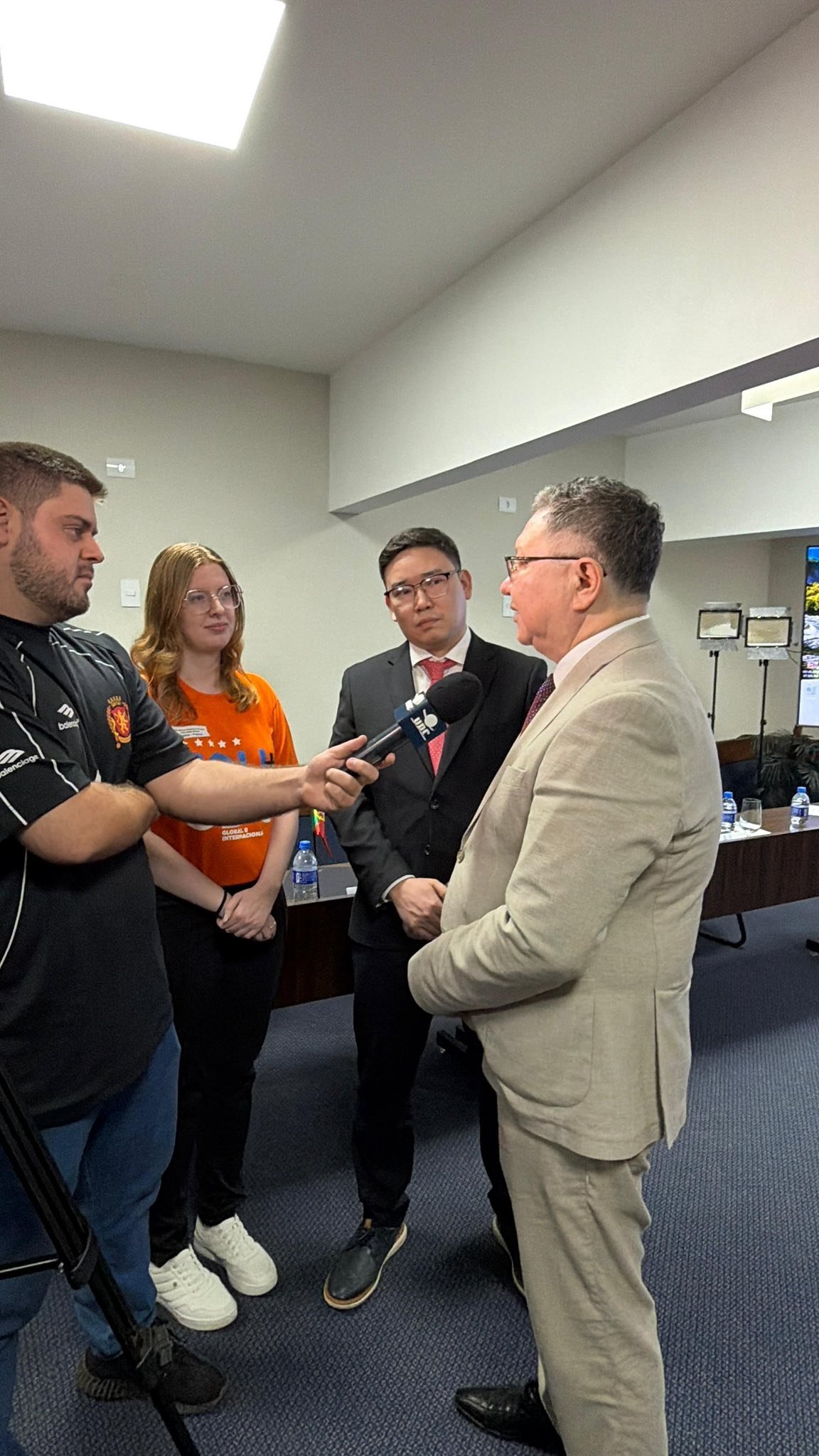
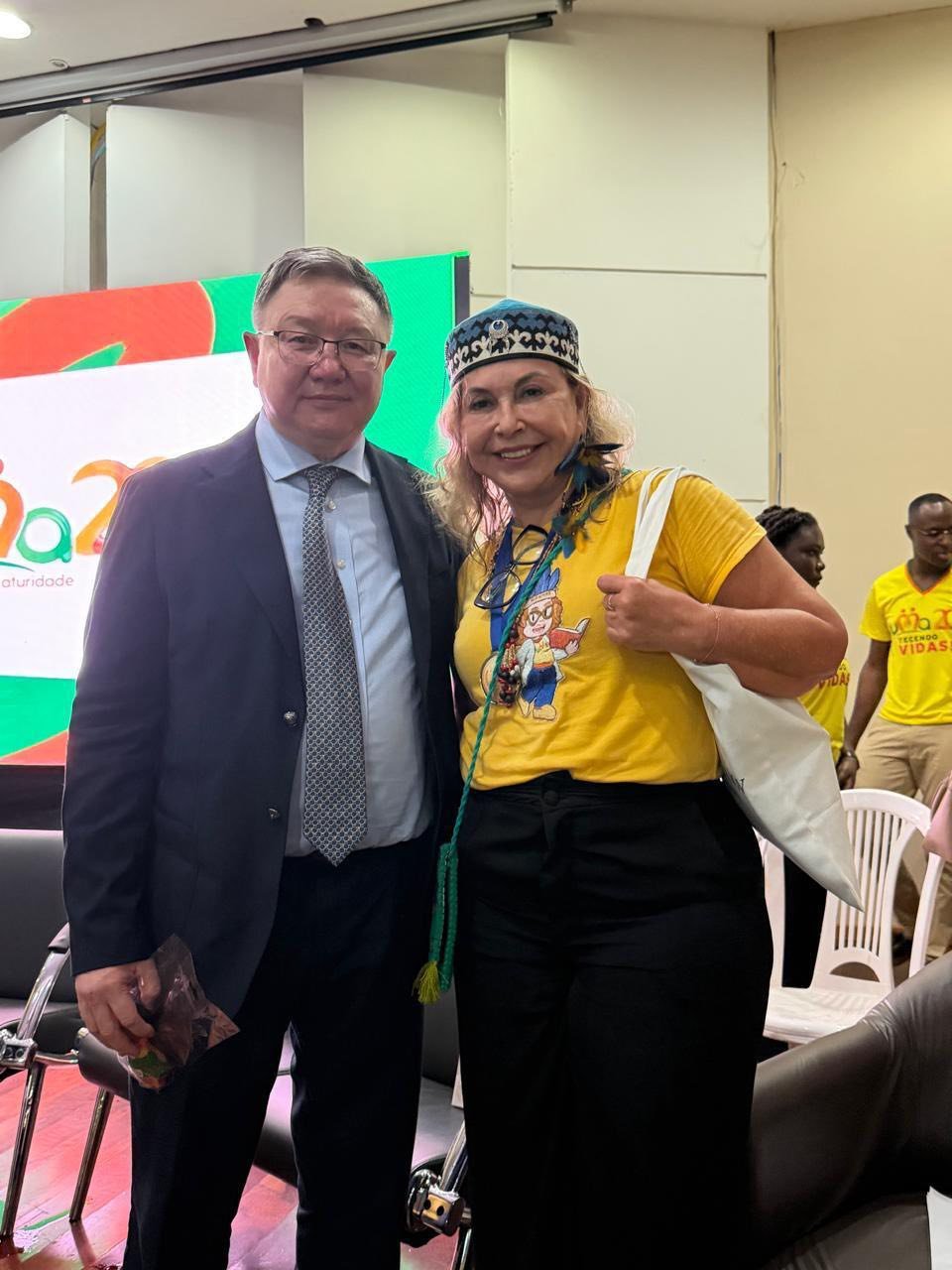
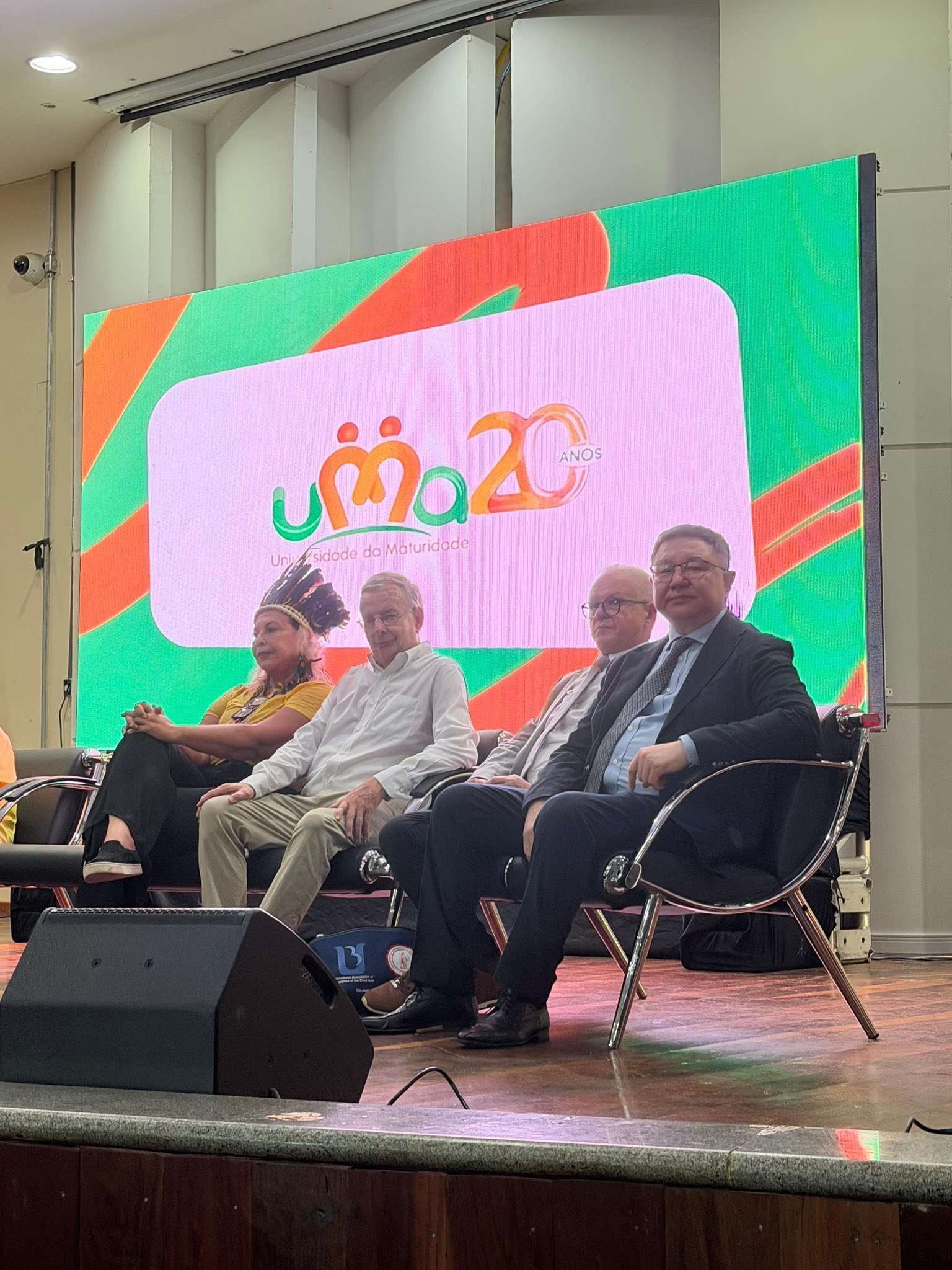
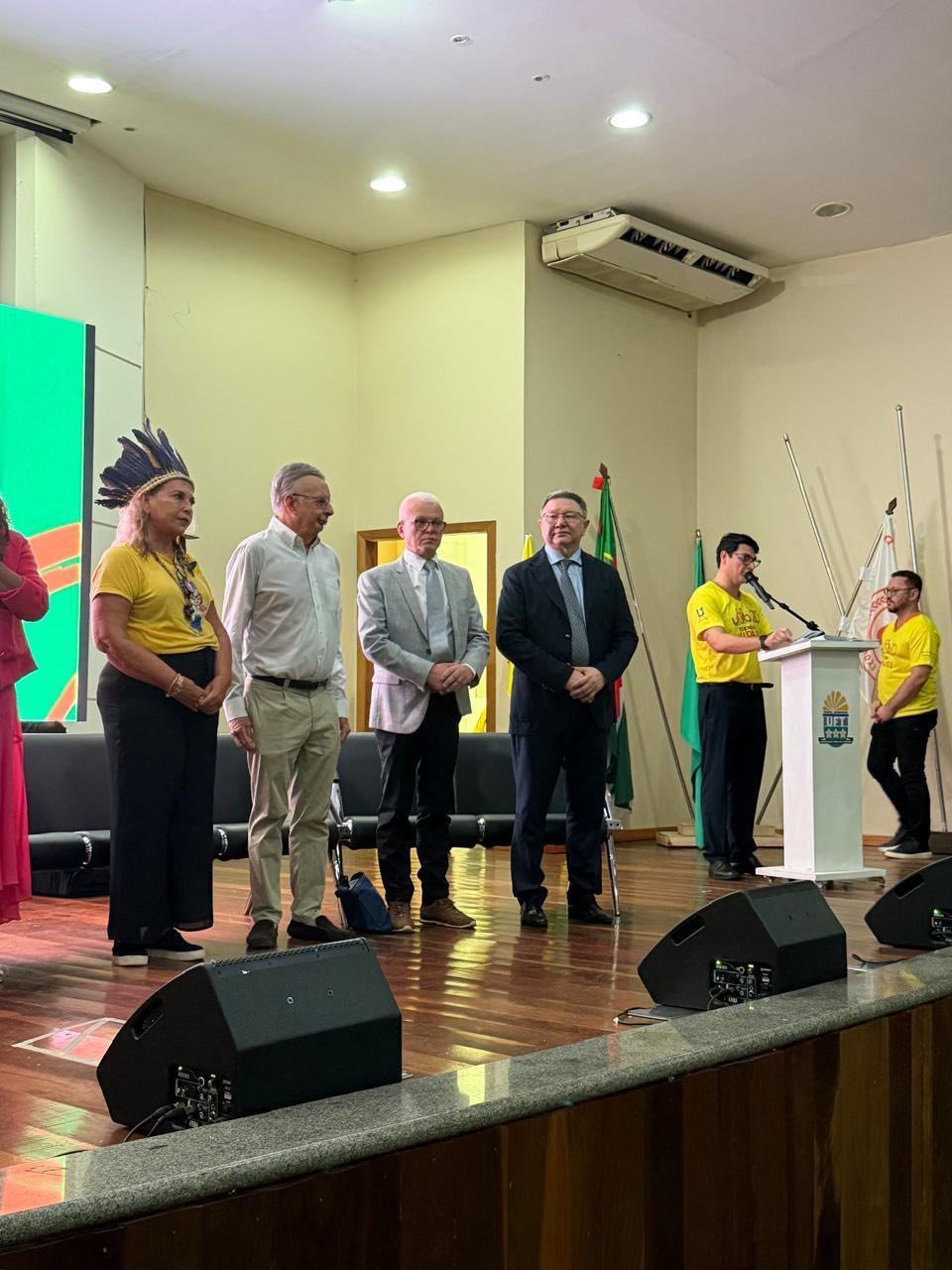
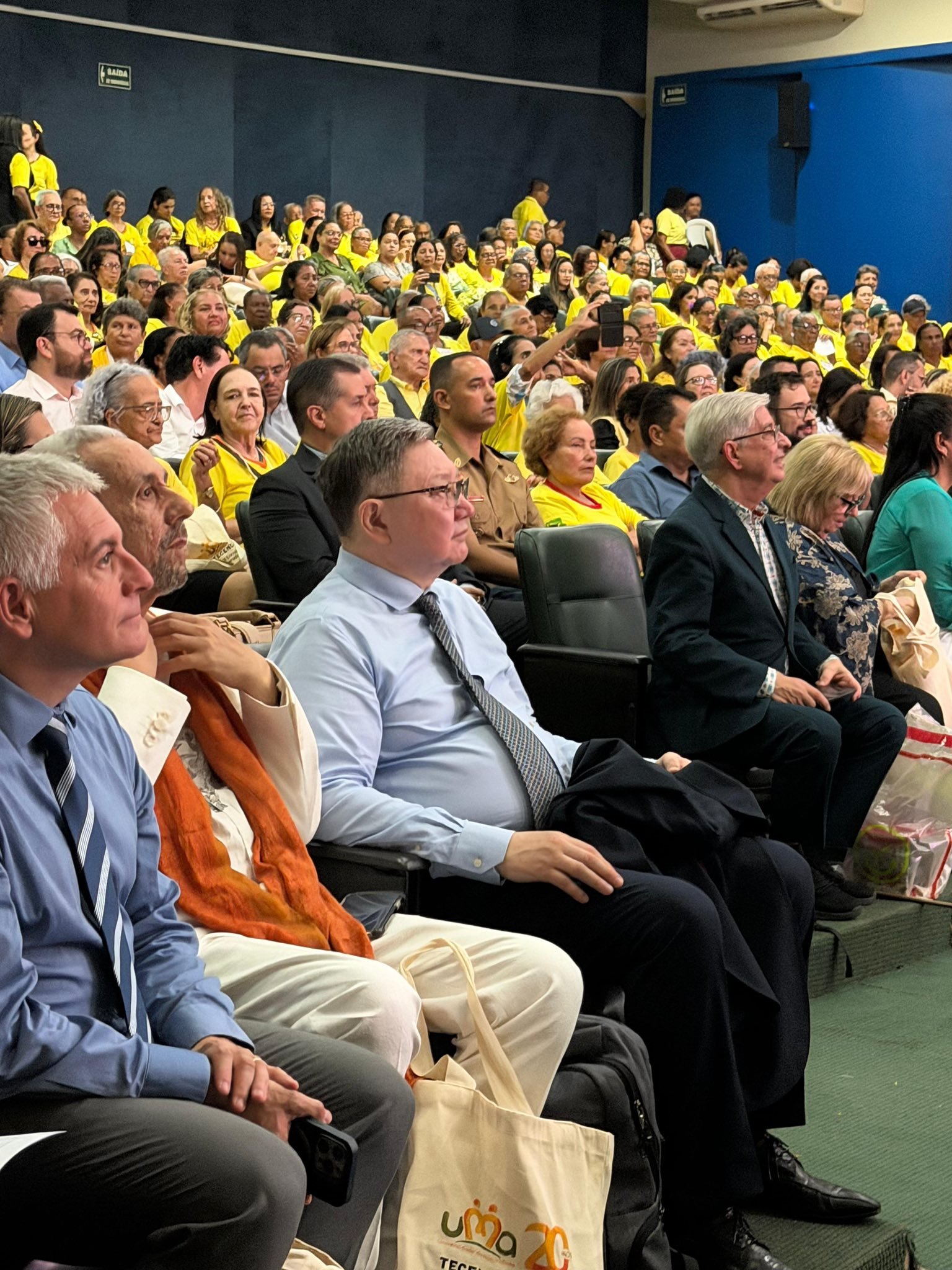
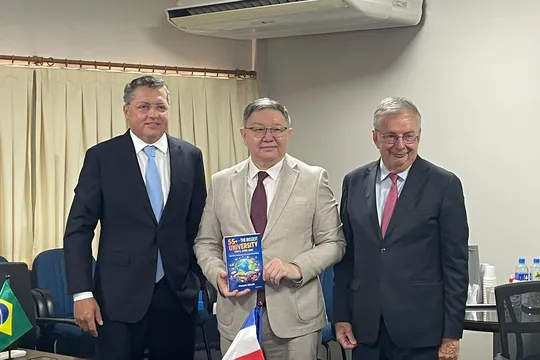
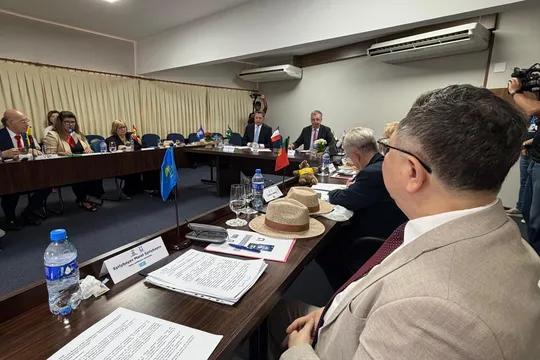
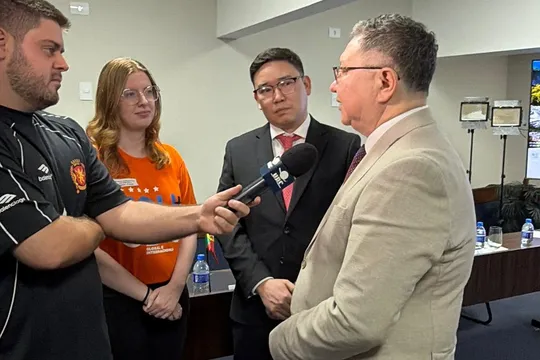
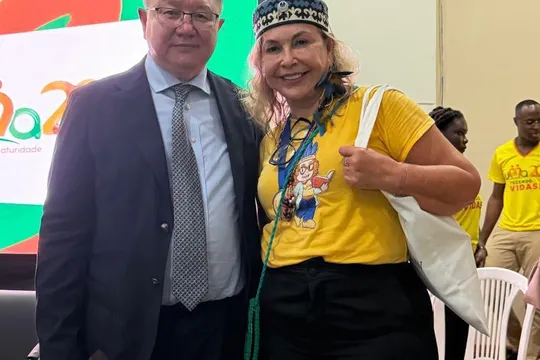
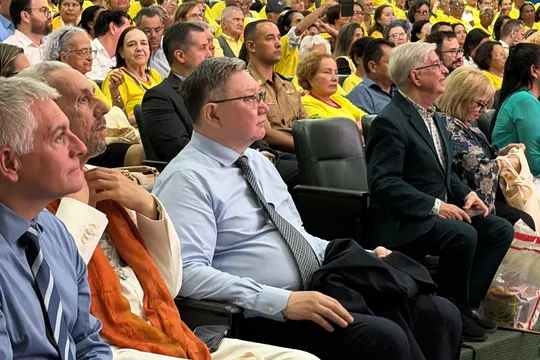
The Rector of Ualikhanov University, Marat Syrlybayev, together with the Head of the International Relations Office, Yerkesh Rakhymzhanov, paid an official visit to the Federative Republic of Brazil from March 17 to 20. During the visit, they participated in a number of international events and signed an official document.
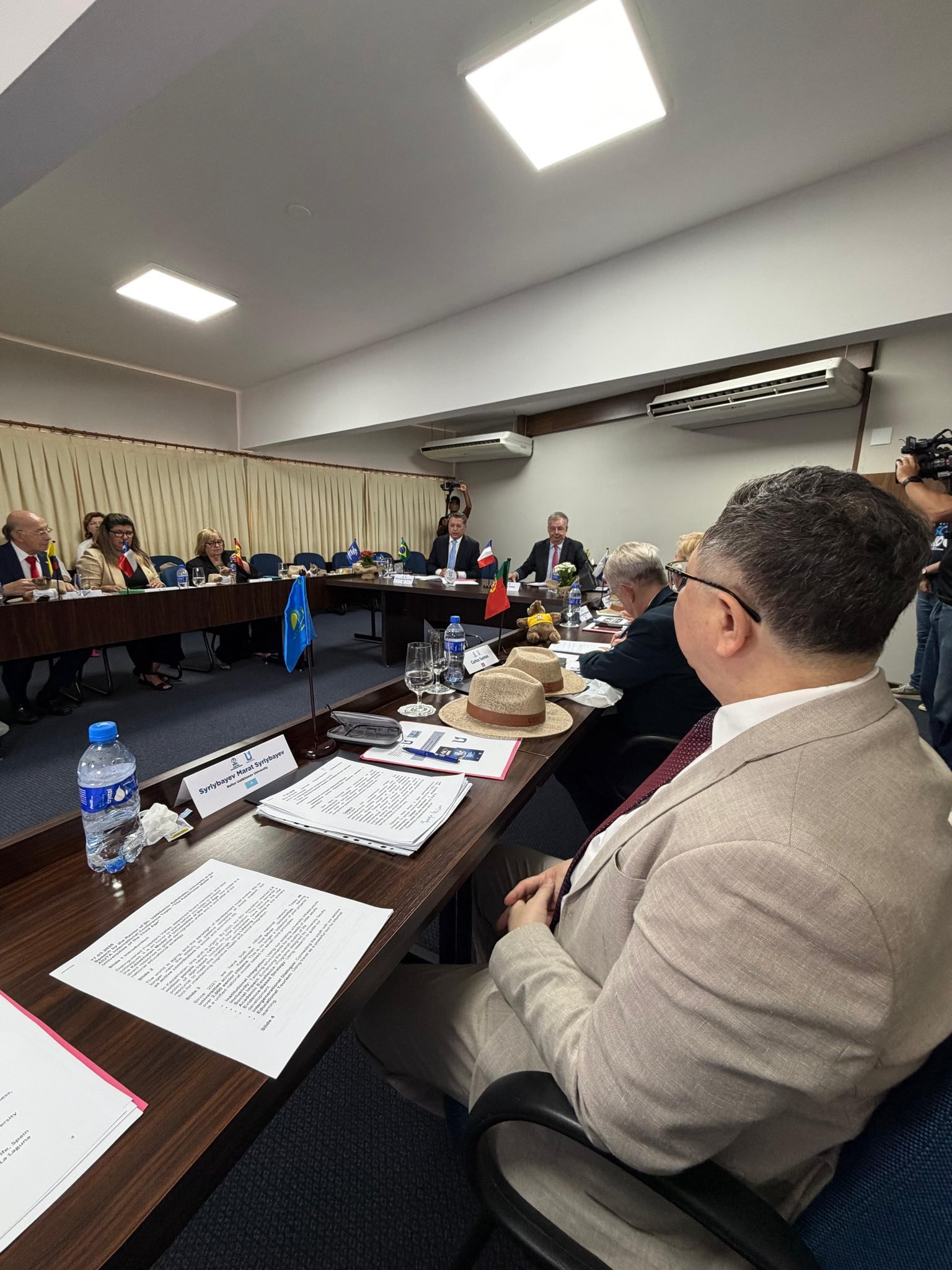
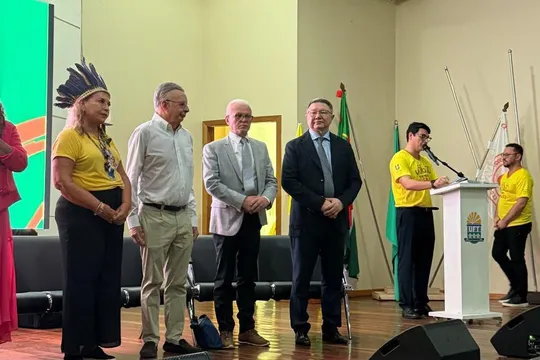
As part of the program, the Rector attended the 116th General Assembly of AIUTA, held at UDC University in Foz do Iguaçu. He delivered a presentation on “The Model of Universities of the Third Age in Kazakhstan”, sharing the country’s experience in lifelong learning and social inclusion with the international community.
The key outcome of the visit was the election to the AIUTA Governing Board. This marks the university’s institutional integration into the global governance structure and strengthens Kazakhstan’s role in advancing the “Silver Universities” initiative worldwide.
At an international seminar held at the Federal University of Tocantins, the Rector delivered a presentation titled “Ualikhanov University: From a Regional Project to International Cooperation”. The discussion focused on social innovation, intergenerational learning, and educational models for older adults.
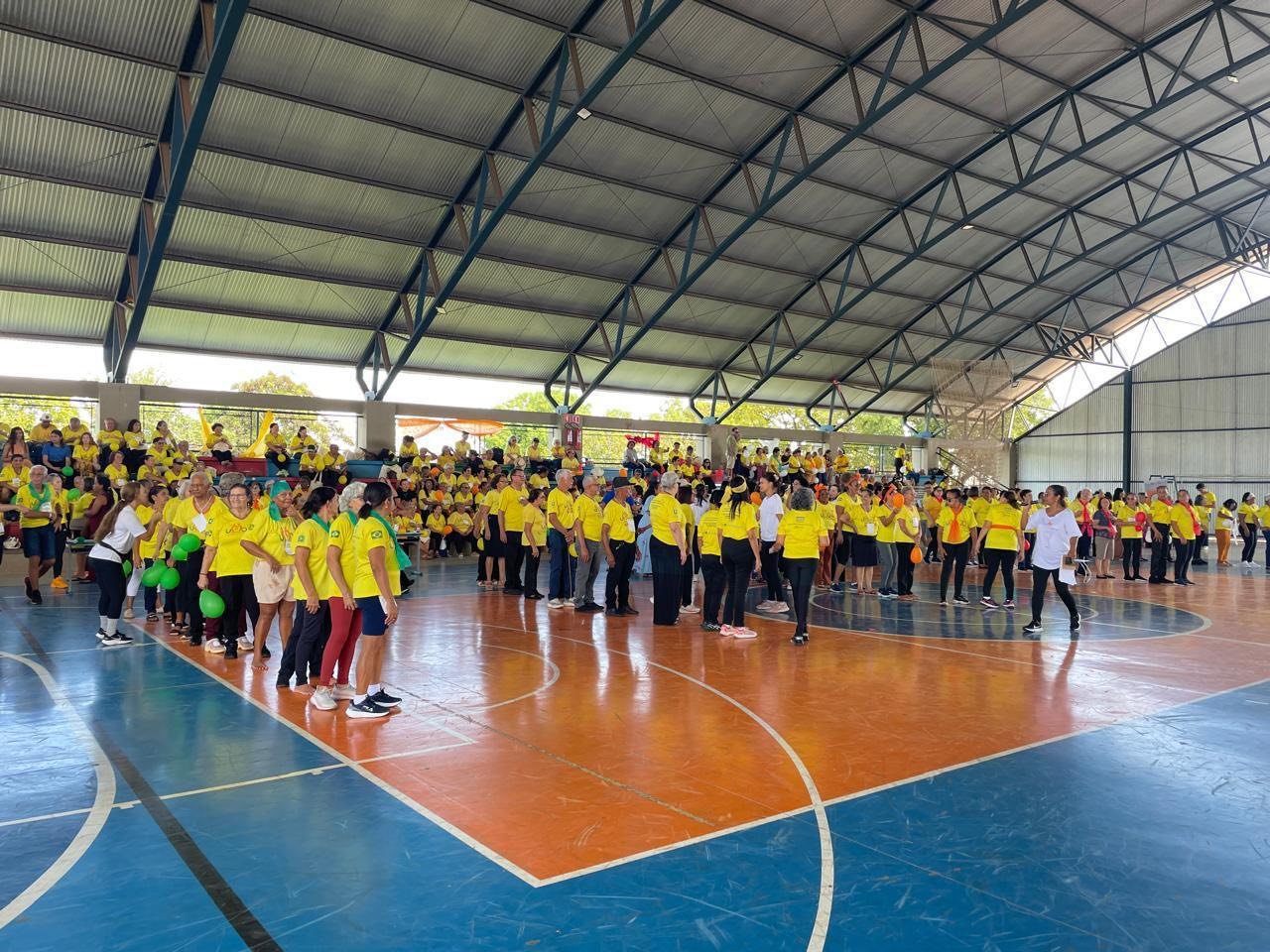
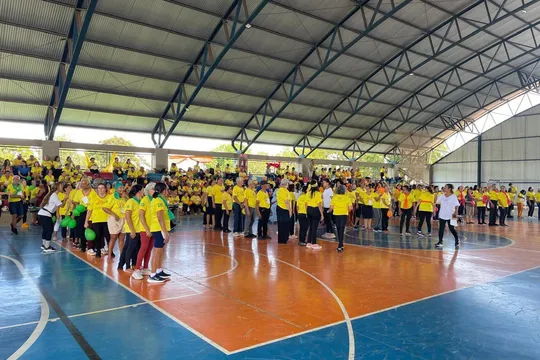
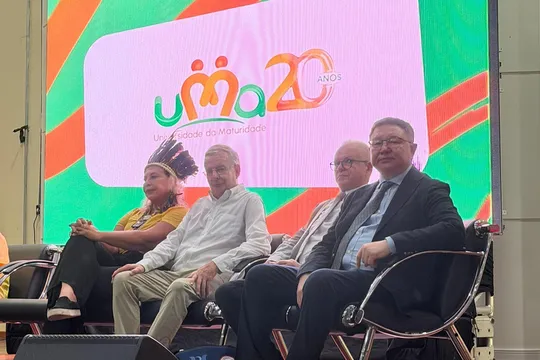
In addition, a unique international meeting took place in the Xerente Zé Brito village, located in the municipality of Tocantínia, Tocantins State. The event was dedicated to the 20th anniversary of the Universidade da Maturidade (UMA) project and brought together participants from different countries. It provided an opportunity to explore the culture of the indigenous Akwẽ Xerente people and foster intercultural dialogue.
During the visit, new areas of cooperation with universities in South America and Europe were discussed, along with concrete steps toward developing international programs and joint research initiatives.
This visit has further strengthened the university’s international standing and laid a solid foundation for expanding its leadership in lifelong learning and the “Silver Universities” movement at both regional and global levels.