
Proftalk.Mathematics as the Poetry of Life
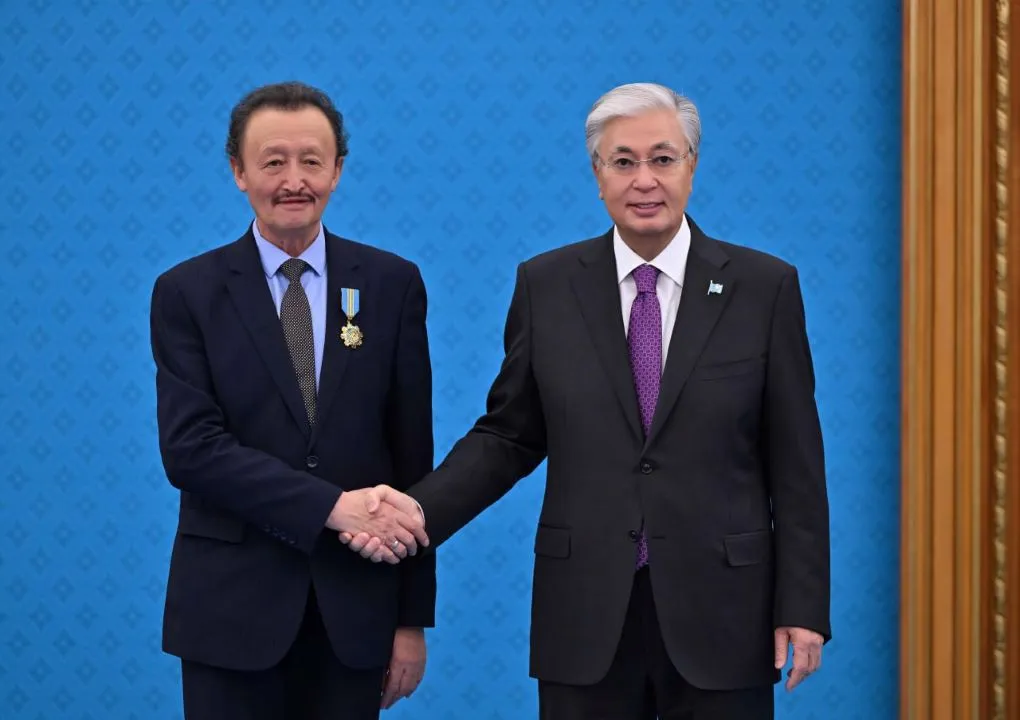
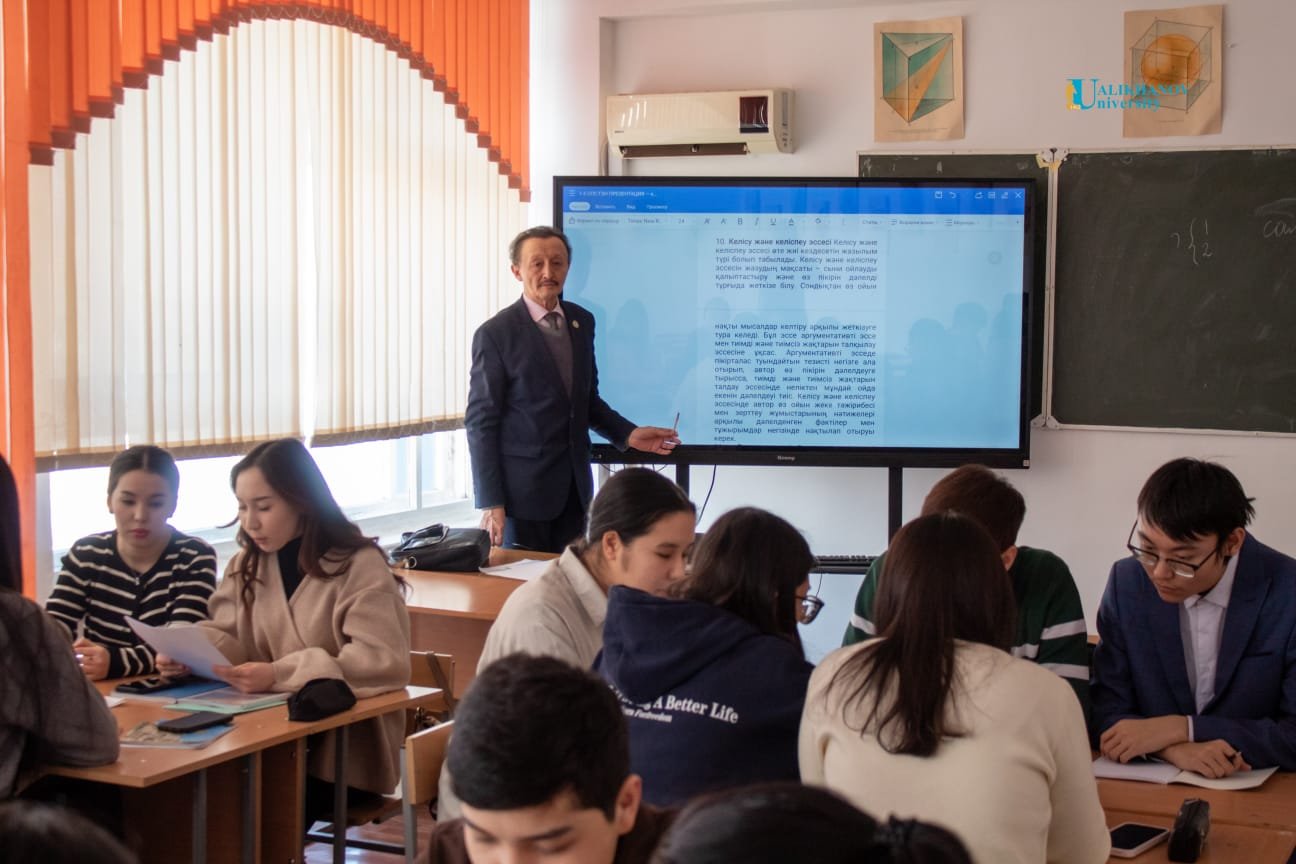
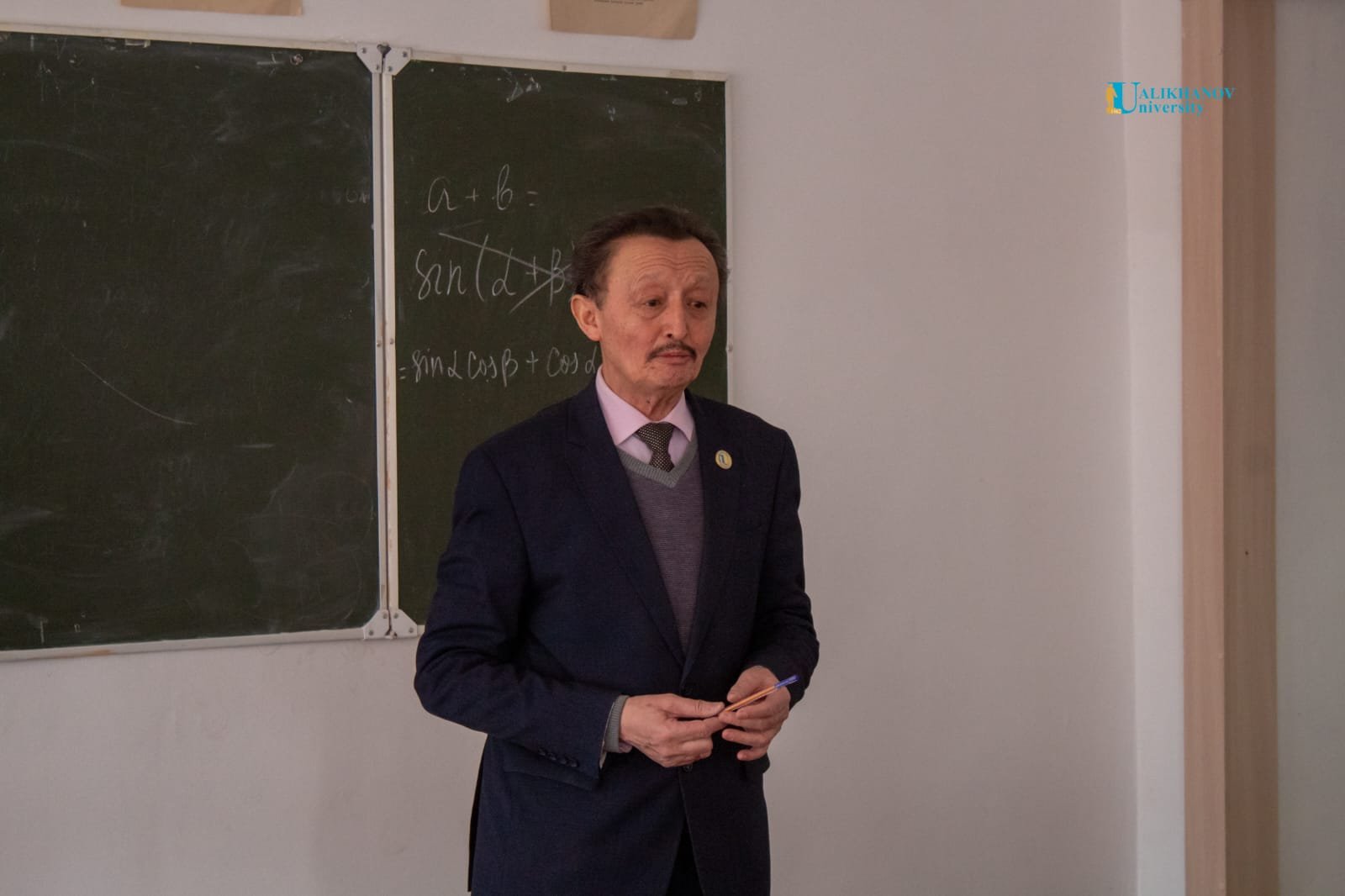

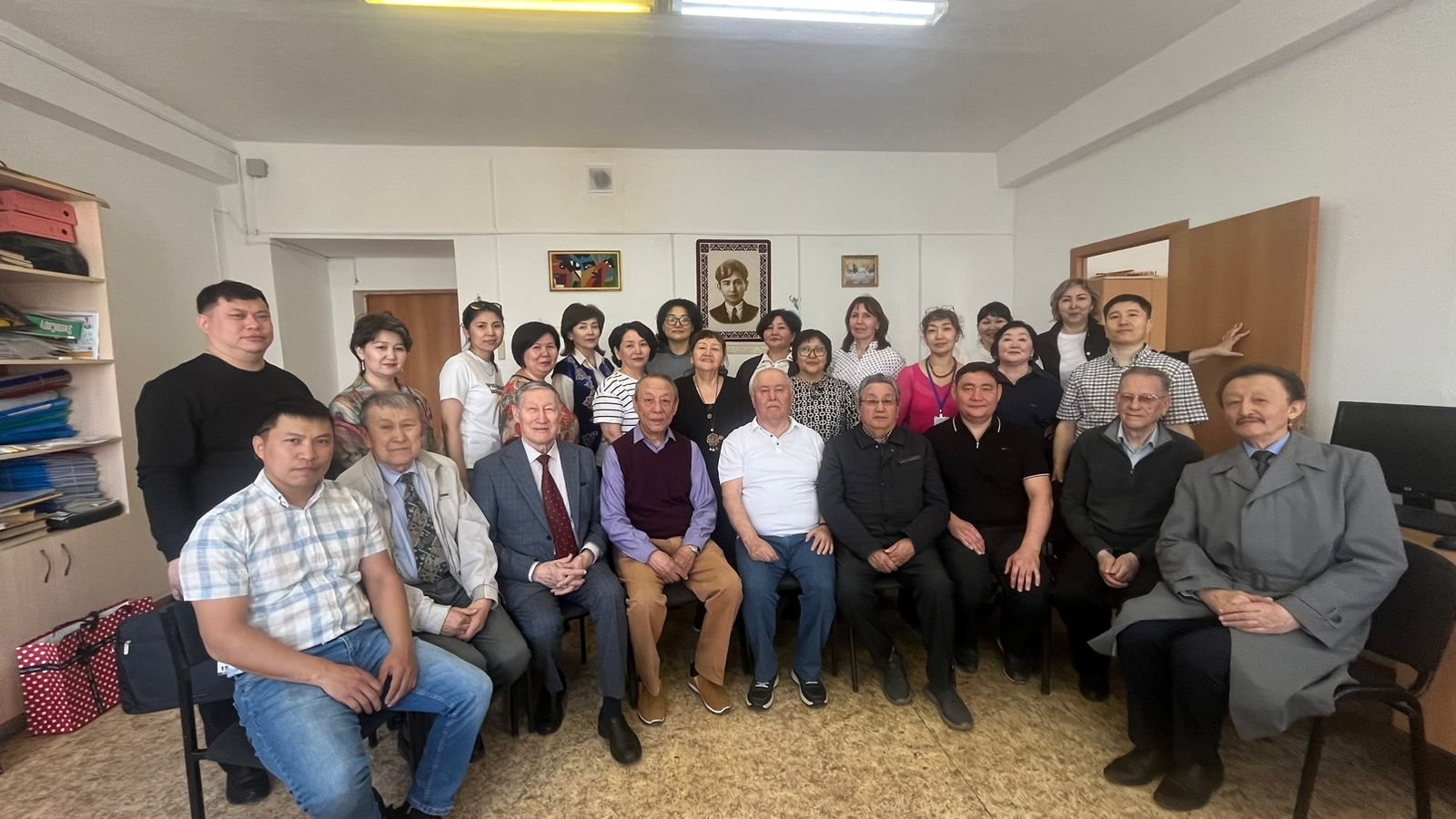
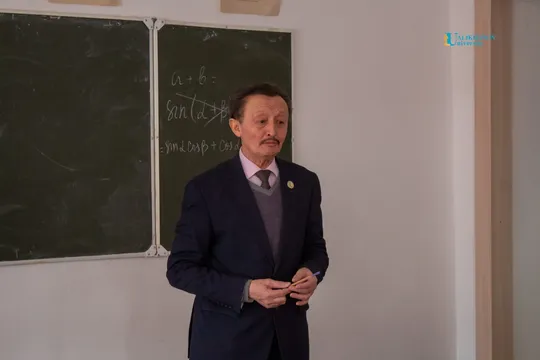
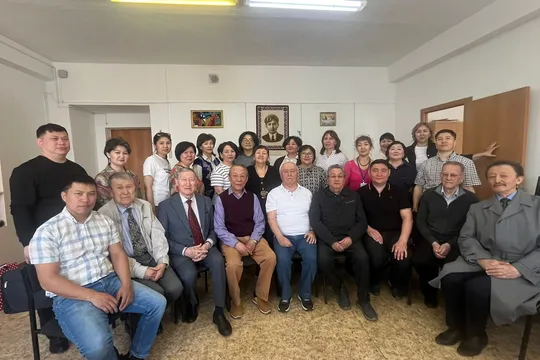
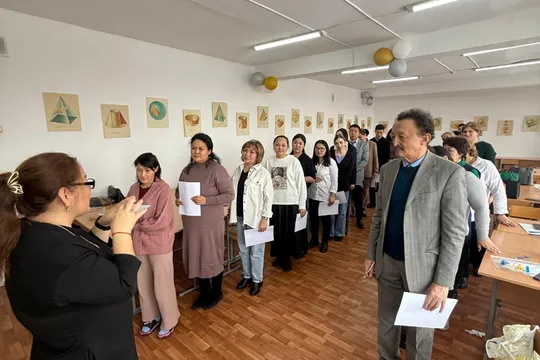
Professor Rashid Musaybekov, a mathematics lecturer at Ualikhanov University, an academic docent, and a Master of Natural Sciences, was honored with the Order of “Parasat” by the President for his outstanding contributions.In this interview, he talks about how mathematical thinking goes beyond numbers and formulas – it can help solve real-life challenges and shape the way we understand the world.
What inspired you to choose mathematics as your lifelong profession: was it a matter of the heart or fate? Who or what influenced your choice of career?Initially, I had hoped to pursue a career in industry. I missed passing the university entrance exam by just one point and had to return home, even though I had graduated from school with excellent grades.
After completing my military service and fulfilling my duty to the country, my father advised me, saying, “Why don’t you become a teacher?”
My father himself had been a primary school teacher for ten years before the war and was excellent with numbers. During my school years, I also participated in numerous competitions.
Could we call this a choice of fate?
Certainly, I fully agree with that. It was a choice of fate, and when choosing a profession, it is important to listen to the advice of elders. As I mentioned, it was my father who guided me toward the teaching profession.
Does mathematical precision and logic help you in daily life, or does it sometimes get in the way? How has being a mathematician influenced your character?
As a young person, I used to solve problems in my head, and I still do. If a problem is difficult, I cannot rest until I find the solution. Of course, my profession has never been a hindrance. On the contrary, mathematics has had a positive impact on my character and on my relationships with students, colleagues, and parents. These qualities did not develop instantly; they came gradually - politeness, patience, treating each student as an individual, understanding their level, addressing emerging problems, and holding one-on-one conversations.
For many, mathematics is just numbers and formulas. What does it mean to you?
Numbers and formulas play an important role in mathematics, of course, but we need to look deeper into the subject. The beauty, complexity, and elegance of mathematical problems - whether algebraic or geometric - need to be explored and demonstrated. For me, mathematics is also poetry. In my classes, I try to include quotes from great scholars and poets as epigraphs. I also write poems for teachers, students, my grandchildren, relatives, and friends. This is how mathematics, physics, and lyrical expression come together.
When making important decisions, do you rely more on logic or intuition?
Intuition and logic go hand in hand, so which one I rely on depends on the situation.
In an age of information and technology, why is mathematical thinking important for an ordinary person?
Mathematical thinking helps a person retain a large amount of information, trust that every problem has a solution, and solve complex tasks. In addition, using information and technology in lectures or practical seminars develops cognitive abilities, enhances efficiency, and supports achieving a high level of performance.
What are the key variables needed to solve the “equation” of life correctly?
From the perspective of mathematics, “solving an equation” means finding its roots and determining whether they are valid or extraneous. In everyday life, solving an “equation” means arriving at the correct conclusion when tackling a problem.
Based on your fifty years of teaching experience, is today’s youth as interested in mathematics as before? How has the world of mathematics changed?
Among today’s youth, there are many positive qualities that help increase interest in the subject and understand its depth and importance. Of course, some students show laziness, but even so, they try to engage with the subject with curiosity and enthusiasm, according to their level. If teachers in the past were limited to chalk, textbooks, notebooks, and blackboards, today they have many technical tools - computers, interactive whiteboards, internet resources, television - that greatly contribute to their professional development. Modern technologies and advanced teaching methods have significantly expanded the possibilities for conducting lessons, made the teacher’s work easier, and allowed students to receive knowledge in an engaging and understandable way.
Whether in the natural sciences or humanities, what is the most important quality of a teacher?
It is the ability to correctly distinguish between subjects and directions, and to convey their advantages and disadvantages meaningfully to students.
What advice would you give to students and young people who are just beginning to search for their path, choose a profession, and shape their approach to education and life in general?
To today’s youth, I wish above all health, enthusiasm for their subject, patience, and the ability to find common ground with the younger generation. It is important to nourish each student with knowledge, guide them on the right path, enable them to become active members of society, and offer a helping hand.